
Reiki is a Japanese energy healing practice that involves the transfer of universal life energy through the hands of a practitioner to promote relaxation, balance, and well-being.
Rooted in the teachings of Mikao Usui, Reiki operates on the belief that energy blockages in the body can cause physical, emotional, or spiritual imbalances.
Practitioners channel energy through light touch or by holding their hands just above the recipient’s body, aiming to restore harmony and facilitate natural healing.
Reiki is often used as a complementary therapy alongside conventional medical treatments.

The concept of universal life energy is central to Reiki and many other spiritual and healing traditions. It refers to an unseen, vital force that flows through all living beings and the universe itself. This energy is known by different names across cultures—Ki in Japan, Chi (Qi) in China, Prana in India, and Ruach in Hebrew traditions.
In Reiki, this energy is believed to sustain life and promote physical, emotional, and spiritual well-being. When the flow of this energy is strong and unblocked, a person feels vibrant, balanced, and healthy. However, disruptions or blockages in the flow—due to stress, trauma, or negative emotions—can lead to illness or distress.
Reiki practitioners channel this universal energy to help clear blockages and restore harmony, allowing the body’s natural healing mechanisms to function optimally.
Unlike personal energy, which can be depleted, universal life energy is infinite and always available. Reiki practitioners do not use their own energy but act as conduits for this higher vibrational force, allowing it to flow through them and into the recipient. This process is said to help remove energetic imbalances, reduce stress, and support overall well-being.
What are the benefits of a Reiki Treatment?
A person can benefit from a Reiki treatment in several ways, as it promotes overall well-being on physical, emotional, mental, and spiritual levels.
Some of the key benefits include:
Deep Relaxation & Stress Reduction – Reiki helps calm the nervous system, reducing tension and promoting a sense of peace.
Pain Relief & Physical Healing – Many recipients report relief from chronic pain, headaches, and fatigue, as Reiki is believed to support the body’s natural healing processes.
Emotional Balance – Reiki can help release stored emotional pain, providing comfort during times of grief, anxiety, or depression.
Enhanced Mental Clarity – People often experience improved focus, better decision-making, and a greater sense of inner calm.
Energy Rebalancing – Reiki helps to clear blockages in the body’s energy flow, leading to a greater sense of vitality.
Spiritual Growth – Many find that Reiki deepens their connection to themselves and their spiritual path, fostering self-awareness and inner peace.
Who is Suited for Reiki?
Reiki is a gentle, non-invasive practice that is suitable for almost anyone, including:
• People experiencing stress, anxiety, or emotional distress.
• Those recovering from illness, injury, or surgery, as a complement to medical treatment.
• Individuals with chronic pain or fatigue conditions, such as fibromyalgia.
• Pregnant women – as it is a safe, relaxing practice.
• Elderly individuals – to promote comfort and well-being.
• Children and even animals, as they tend to be highly receptive to energy healing
The Reiki Session
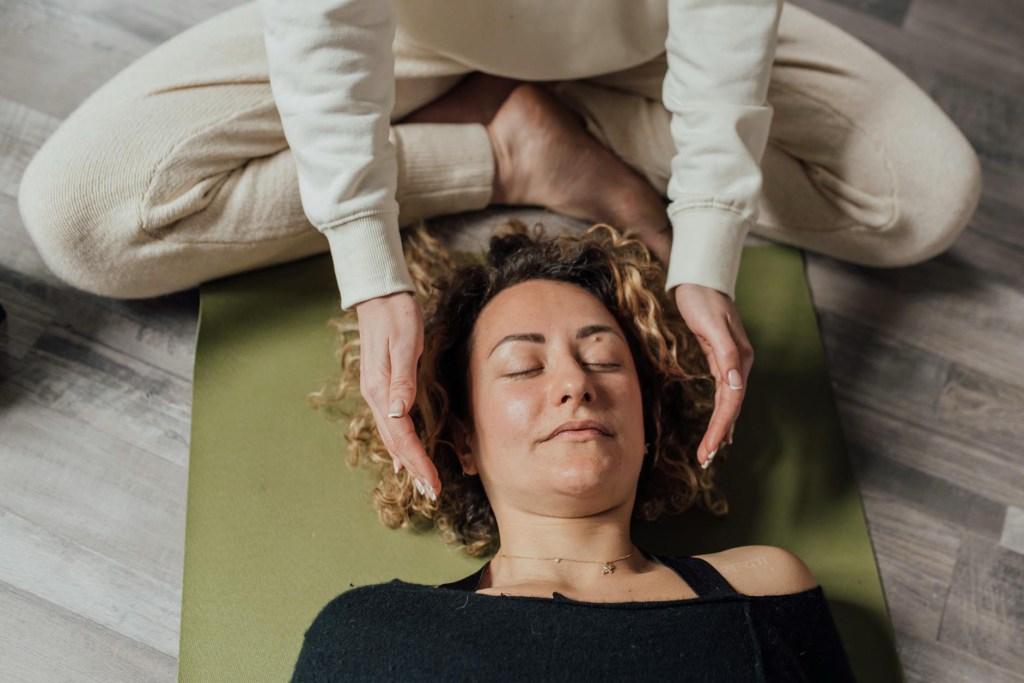
A Reiki session is a gentle, relaxing experience designed to balance energy and promote well-being. It typically takes place in a quiet, peaceful environment and lasts between 30 and 90 minutes.
What to Expect in a Reiki Session
1. Preparation & Setting the Intention
The session begins with a brief conversation between the practitioner and the recipient. The practitioner may ask about physical, emotional, or spiritual concerns to tailor the session accordingly.
The recipient remains fully clothed and either lies on a massage table or sits in a chair.
Soft music, dim lighting, and aromatherapy may be used to enhance relaxation.
2. The Energy Healing Process
The practitioner lightly places their hands on or just above different areas of the body, following specific hand positions.
Reiki energy is channeled through the practitioner’s hands to the recipient. Some people feel warmth, tingling, or a sense of deep relaxation, while others may not feel anything physically but still benefit from the session.
The practitioner may focus on areas where energy feels blocked, working to restore balance.
3. Closing the Session
As the session ends, the recipient is gently brought back to full awareness.
The practitioner may discuss any insights or observations and encourage hydration and self-care after the session.
Some people feel deeply relaxed, while others feel energized and clear-headed.
Reiki is a deeply personal experience, and each session can feel different. Some may experience emotional release, physical relief, or a profound sense of peace.

Disclaimer: Reiki is not a replacement for medical care, but it works well as a complementary therapy alongside conventional treatments.
 Made Of Stardust